Block Paving in Stevenage
Choose from a wide range of colours and laying patterns for a hard-wearing drive, with free design ideas and a clear price before work begins.
Get a FREE Quote
Fill in the form and we'll get back to you shortly.
- Free Design Ideas
- Free Site Surveys
- No-Obligation Quotes
- Photos via WhatsApp
Block Paving Explained
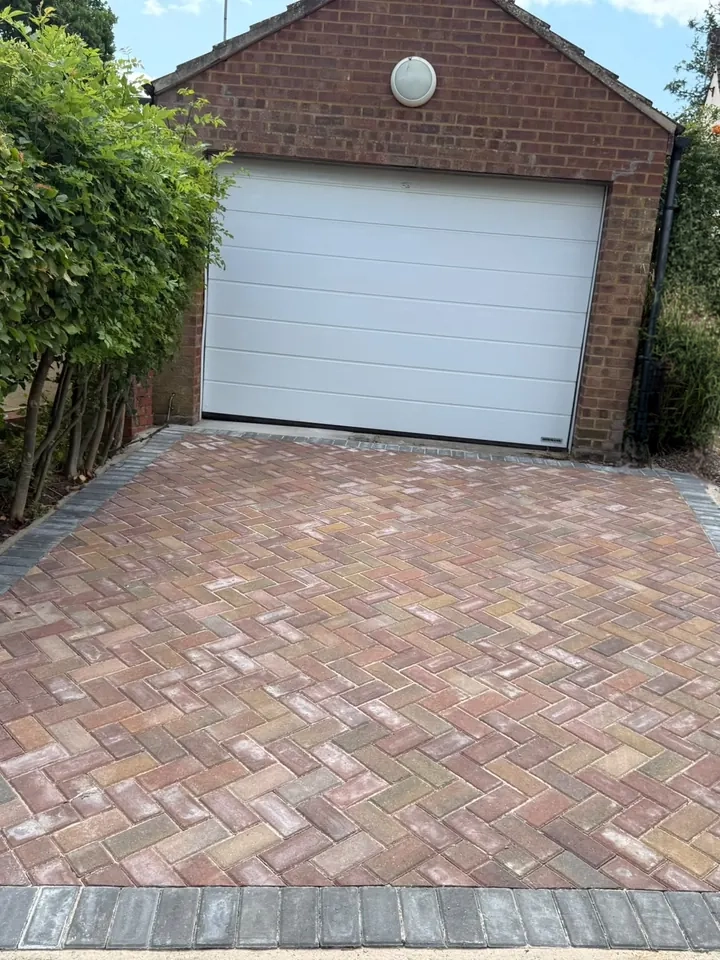
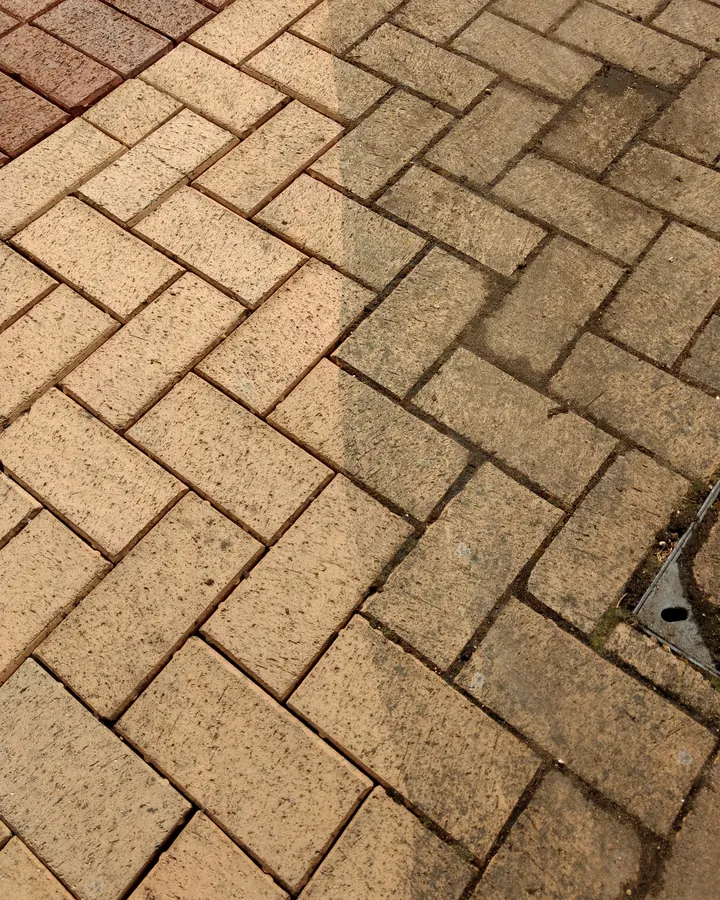
Block paving is made of individual concrete or clay pavers laid tightly on a sand bed and locked together with jointing sand. Because each block is separate, the surface flexes slightly under load rather than cracking, which makes it a sound choice for drives in daily use.
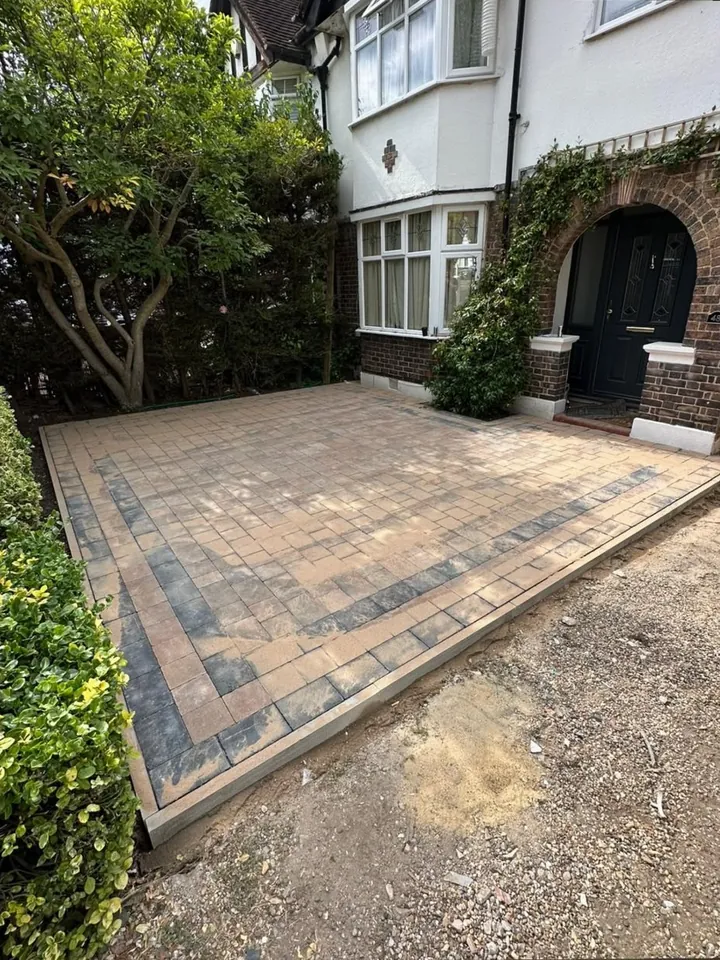
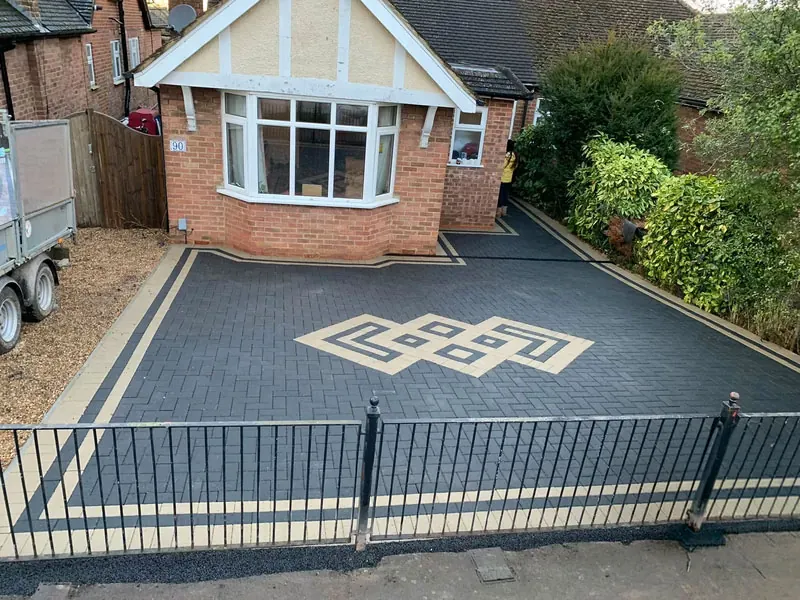
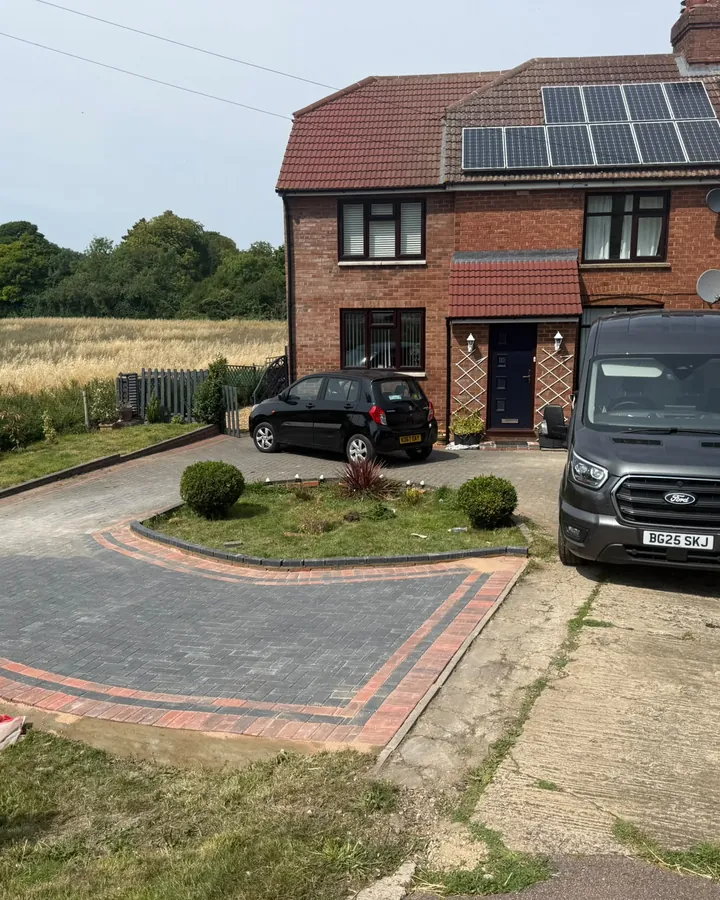
Patterns such as herringbone, basketweave and stretcher bond can be combined with contrasting borders, so a block paved drive in Stevenage or Hitchin can be matched to the colour of the roof, the window frames or the front door of the house.
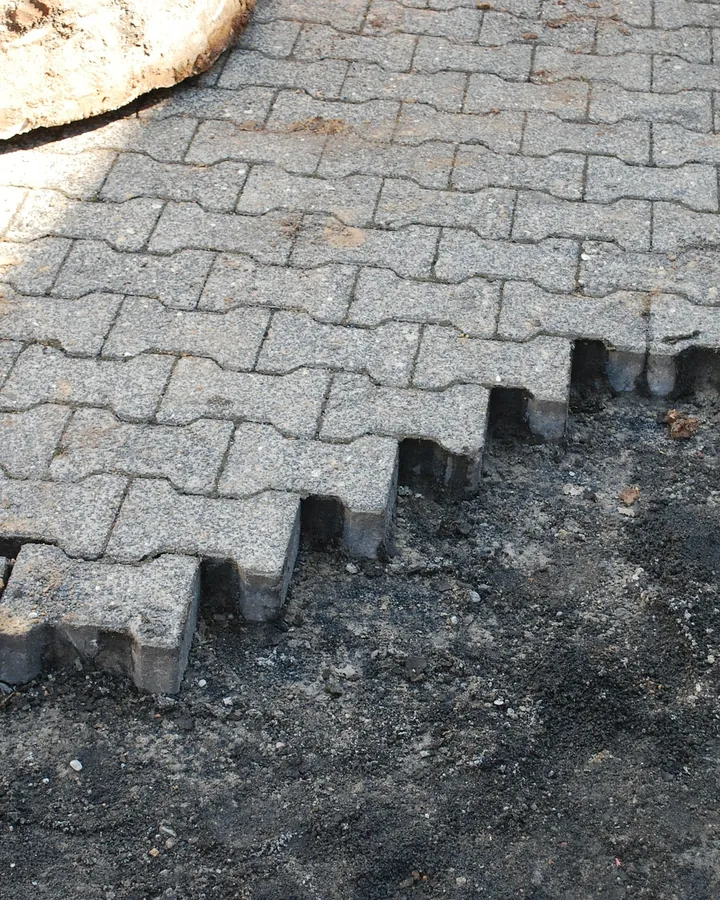
If a section ever settles or picks up a stain, the affected blocks can usually be lifted and relaid on their own. That makes future repairs neater and cheaper than patching a continuous surface, and it keeps the look of your drive consistent.
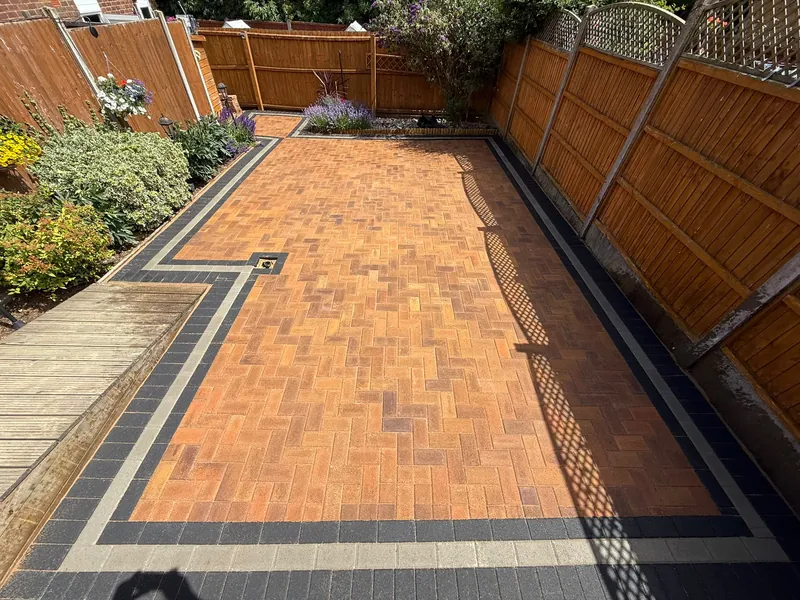
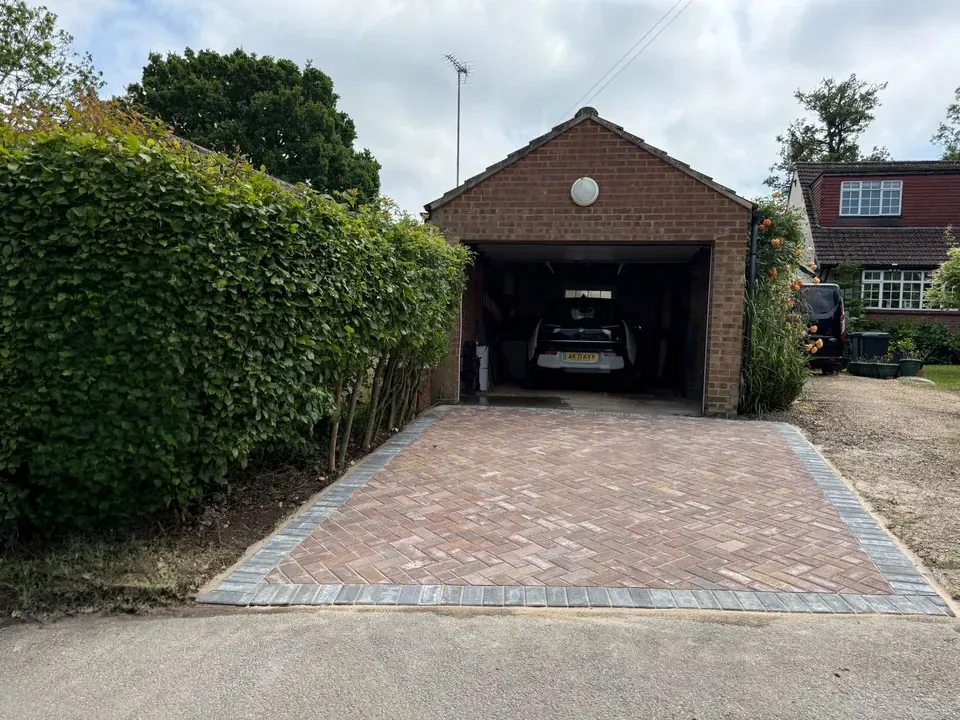
What Block Paving Involves
Block paving relies on careful preparation under the surface as much as on the pattern on top. A typical installation covers the following work from start to finish.
- Excavating to the depth needed for a vehicle base
- A compacted sub-base of crushed stone in layers
- Concrete-haunched kerbs to stop blocks creeping
- A screeded sharp-sand bed laid to the right falls
- Laying blocks in your chosen pattern and border
- Precise cuts around covers, thresholds and edges
- Kiln-dried jointing sand brushed in and compacted
- Permeable blocks where rain must soak away on site
Why Us for Block Paving
A block paved drive shows every shortcut in its lines and levels. An owner-run business handles the design and installation of yours, and these are the benefits to you.
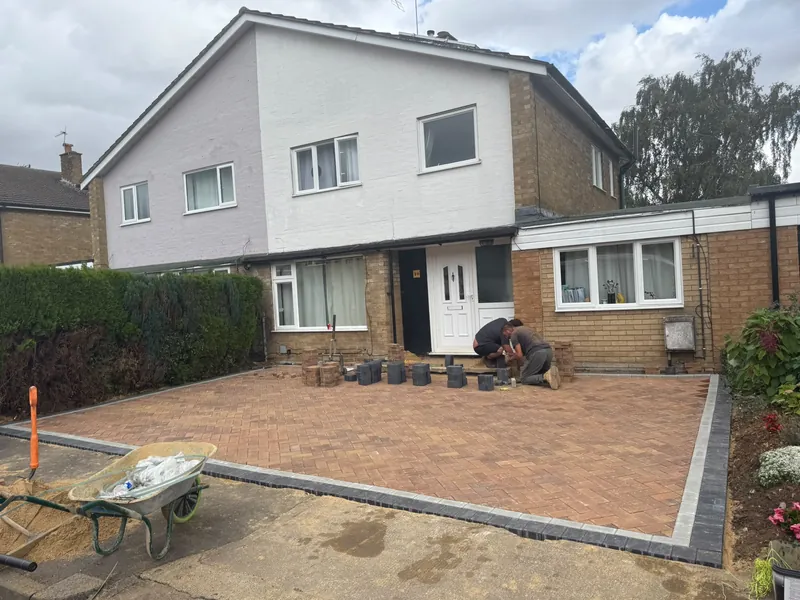
Patterns Planned with You
Free design ideas let you compare laying patterns, border colours and block sizes before you commit, so the finished drive looks the way you pictured it.
Swipe to See More
More for Your Driveway
Comparing block paving with other options, or looking after a drive you already have? These pages cover the rest of the driveway services on offer.
Thinking About Block Paving?
Ring now, or leave a few details and a quote will follow.
Laying a Block Paved Drive
Block paving goes down in clear layers, and each one depends on the one beneath it. The work generally follows four stages.
Swipe to See More
Block Paving FAQs
What Is Permeable Block Paving?
Why Do Weeds Grow Between Block Paving?
Which Laying Pattern Is Strongest for a Driveway?
Should I Choose Concrete or Clay Pavers?
Can Block Paving Be Laid on a Slope?
Can't Find the Answer You're Looking For?
Get in touch with us today.