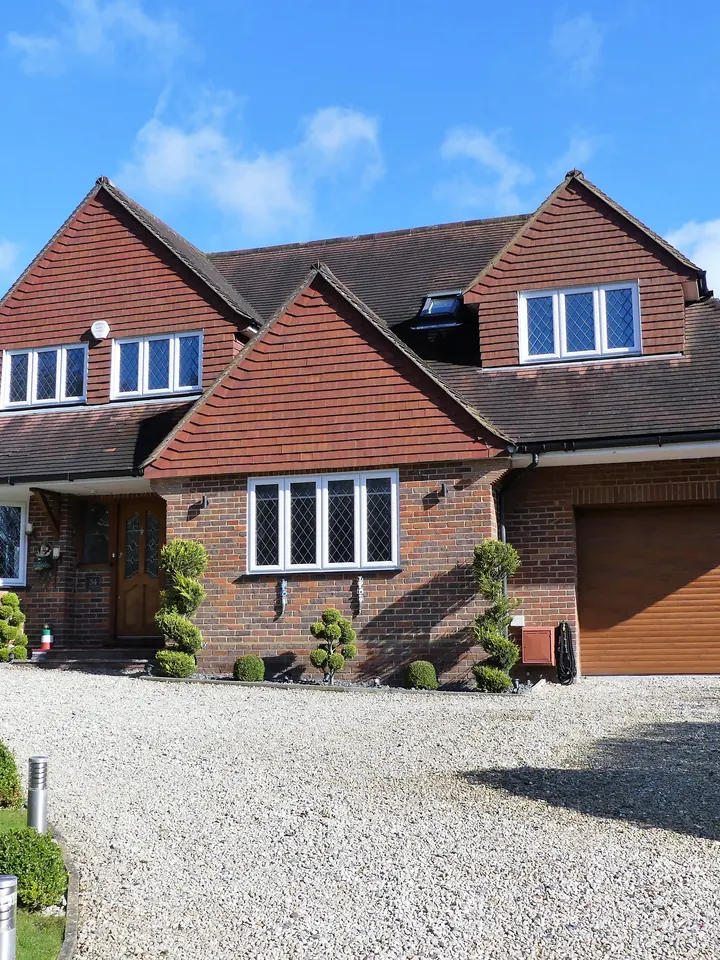
Gravel Driveways in Stevenage
Get an affordable, porous surface for cottages and modern homes alike, set over a firm base with edging to hold the stones, and priced by a local owner-run business.
Get a FREE Quote
Fill in the form and we'll get back to you shortly.
- Free Site Surveys
- No-Obligation Quotes
- Owner-Run Business
- Photos via WhatsApp
Why Gravel Suits Many Homes
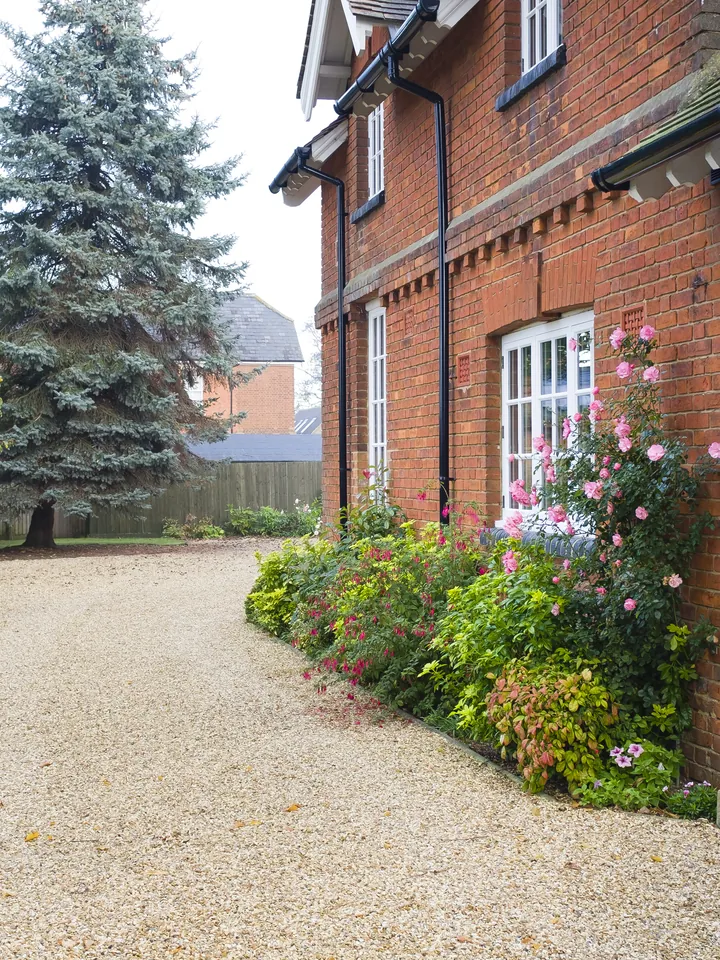
Gravel is usually the lowest-cost way to surface a drive, and it covers large areas without the expense of a bound finish. The loose stones let rain soak straight through, so a gravel drive generally meets the permeable-surface rules for front parking areas with ease.
It also has practical benefits that are easy to overlook. The crunch of tyres or footsteps on stone gives an audible warning when someone arrives, and the surface can be topped up or raked level instead of replaced when it starts to thin.
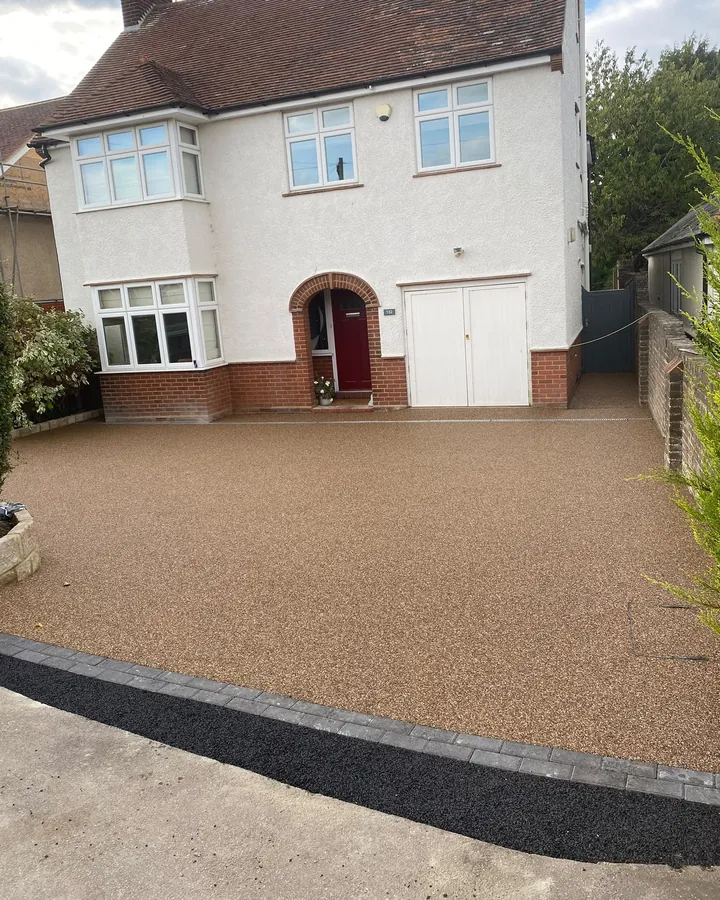
Gravel comes in many colours and sizes, from golden shingle to grey granite chippings, so it can be matched to a period cottage in a village near Hitchin or a newer home in Stevenage. A firm edge and the right stone size keep it where it belongs.
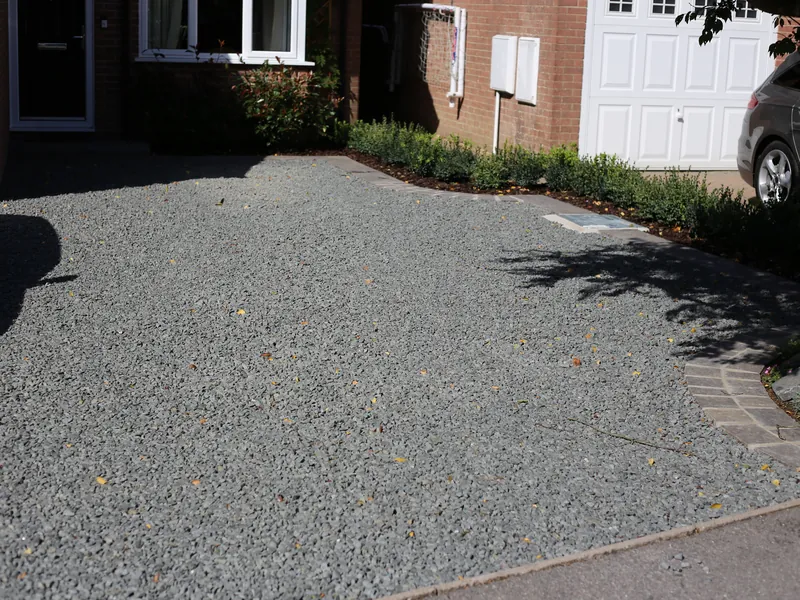
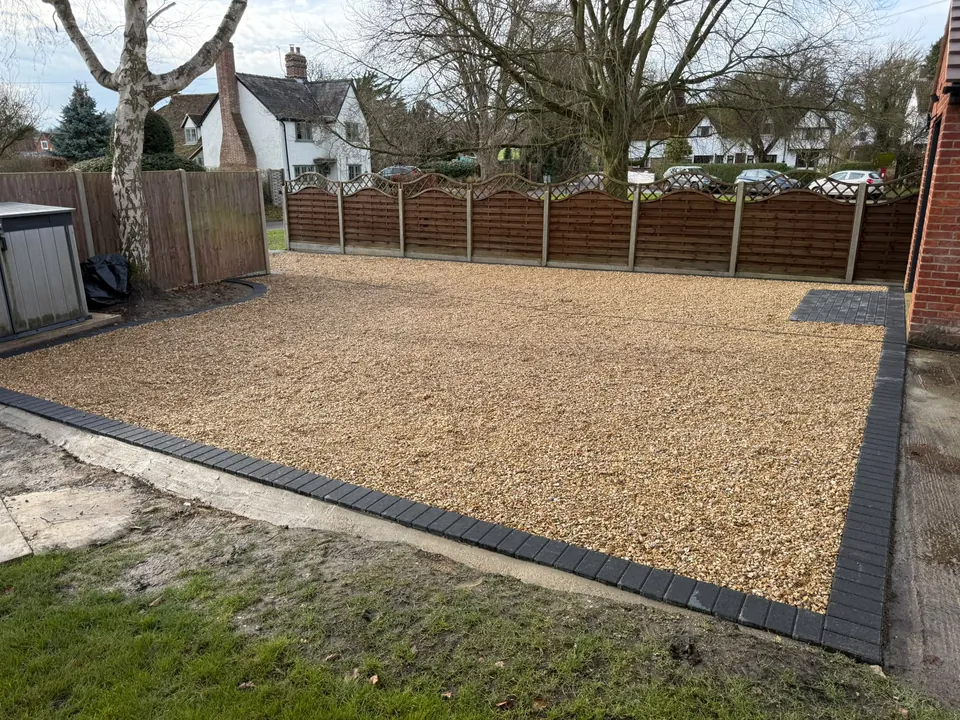
Gravel Drive Essentials
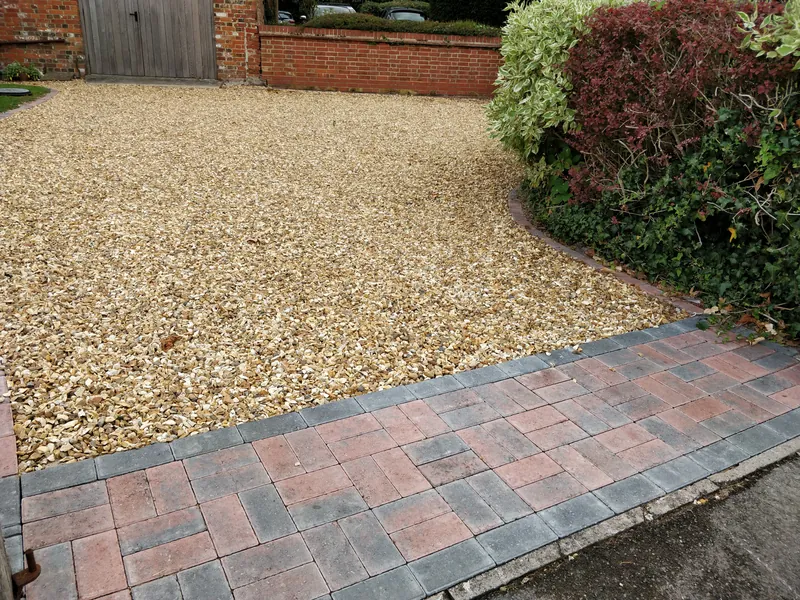
A gravel drive performs best when what sits underneath is planned as carefully as the stones on top. Most installations at homes like yours include the following work.
- Digging out and levelling the area for the base
- A firm, compacted stone sub-base to stop sinking
- A weed-suppressing membrane over the sub-base
- Gravel stabilising grids where cars turn or park
- Timber, block or steel edging to keep stones in
- Angular stone of a size that resists rutting
- Spreading and raking the gravel to an even depth
Why Choose Us for Gravel
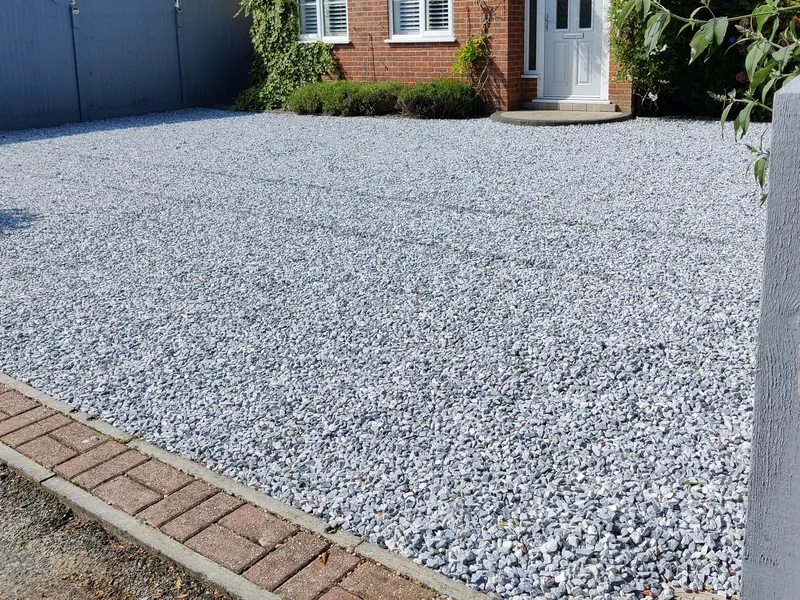
Gravel looks simple, yet a thin layer on a weak base soon ruts and spreads. These are the reasons to let this business lay the gravel drive at your home.
Advice From the Owner
You speak directly with the owner about stone size, depth and edging, so the advice you get comes from the person accountable for the result.
Swipe to See More
Compare Driveway Choices
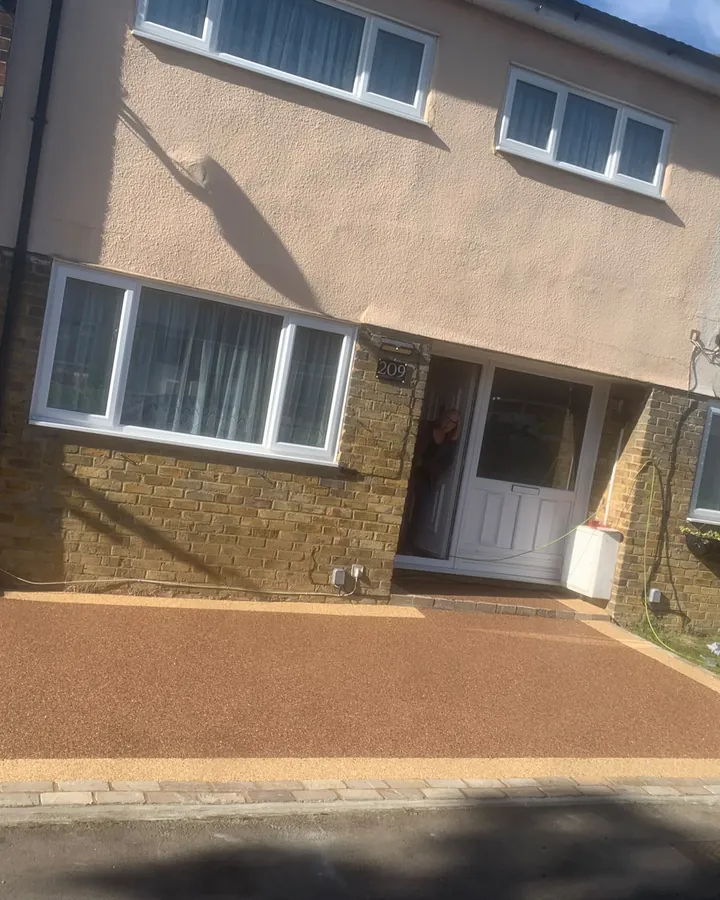
See how gravel stacks up against other surfaces, or find help for an existing drive. Each of these driveway pages focuses on a single service.
Considering a Gravel Drive?
Ring now, or leave a few details and a quote will follow.
Building a Gravel Driveway
Gravel installation is straightforward when each layer gets proper attention, and the work tends to follow four stages.
Swipe to See More
Gravel Driveway FAQs
What Size Gravel Is Best for a Driveway?
Do Gravel Grids Stop Stones Moving?
Will Gravel Get Carried Into My House?
How Do I Keep a Gravel Driveway Looking Neat?
Is Gravel Suitable for a Sloping Drive?
Can't Find the Answer You're Looking For?
Get in touch with us today.