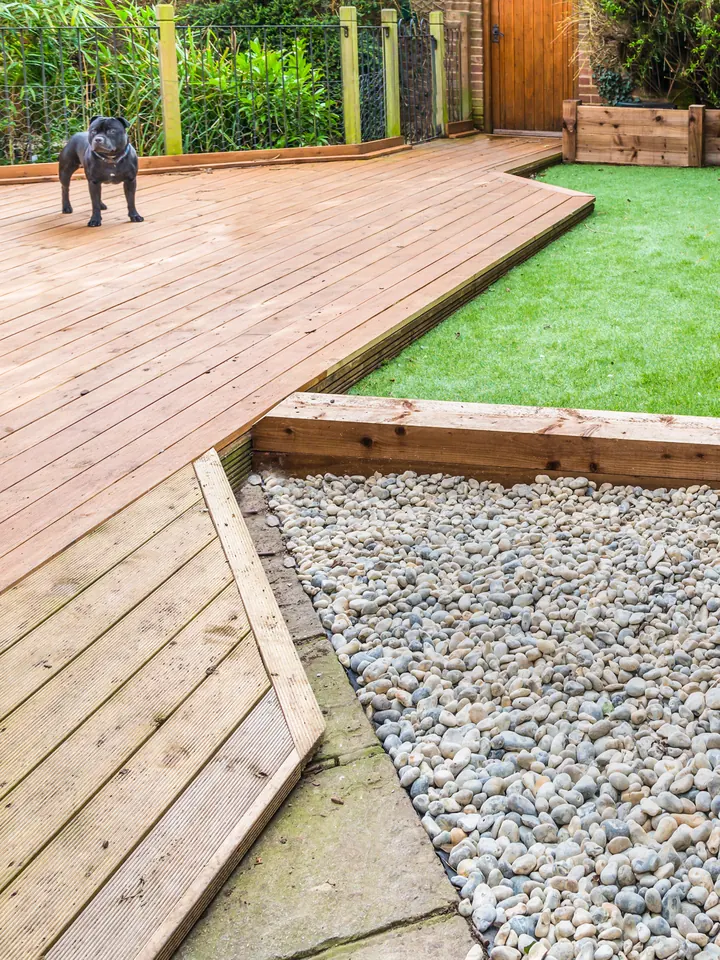
Timber decking beside a gravel border and lawn in a back garden
Paving & Landscaping Contractor

Wooden Decking in Stevenage

A level timber deck for dining, seating or a sloping plot, with boards and layout chosen on a free survey and priced by the owner.

Get a FREE Quote

Fill in the form and we'll get back to you shortly.

Step 1 of 2

Timber Decks

Decking for Outdoor Living

A deck turns an unused or sloping part of the garden into level space you can actually sit on. Because it is built on a raised frame, it copes with uneven ground far better than a solid surface, and it can run straight out from a back door at floor height.

Hardwood and softwood timbers each have their place. Softwood is lighter on the budget and takes stain well, while hardwoods are denser and more naturally resistant to rot. Composite boards, made from wood fibre and plastic, need less upkeep and avoid splinters. You can compare all three at the survey.

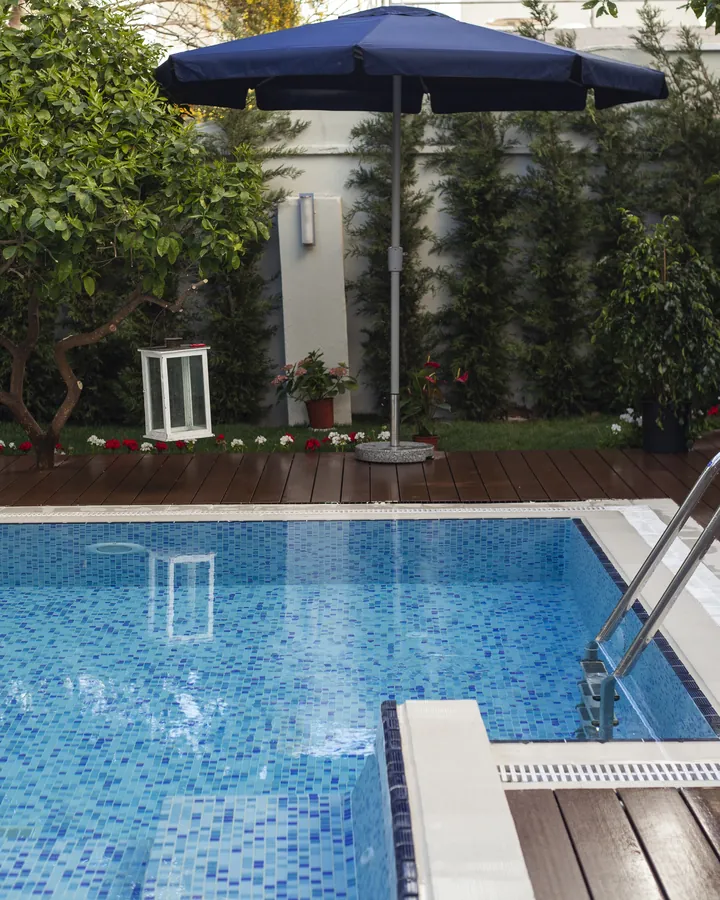
Decks around Stevenage and across Hertfordshire are often built where the garden falls away from the house, or around a hot tub or pool. Each frame is sized to your space, with the board direction, edging and access points planned around how you move through the garden.
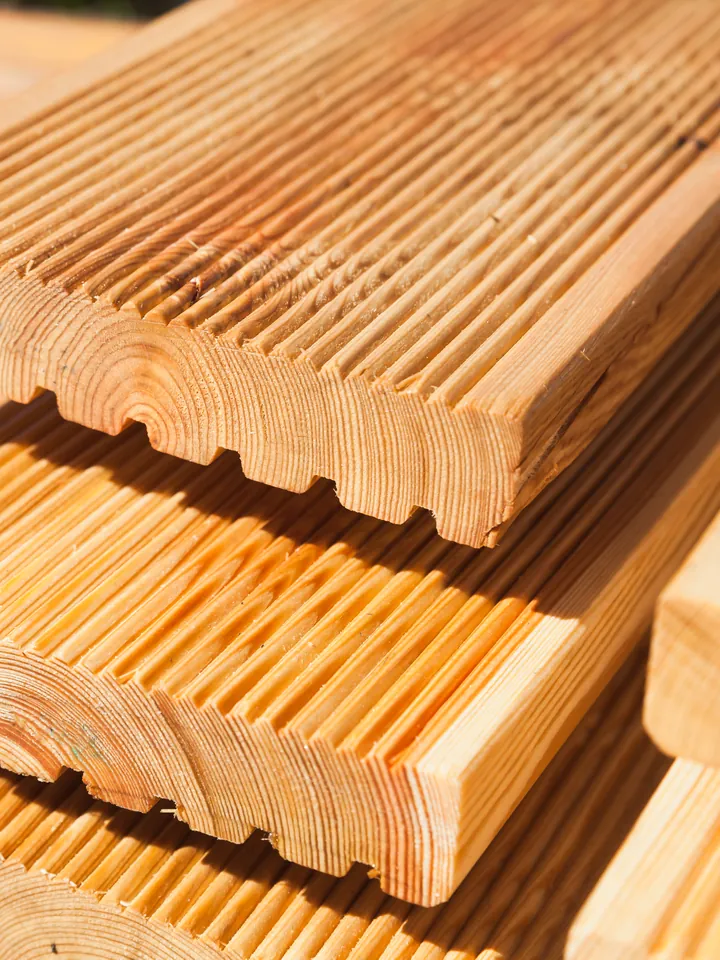
Stack of grooved timber decking boards
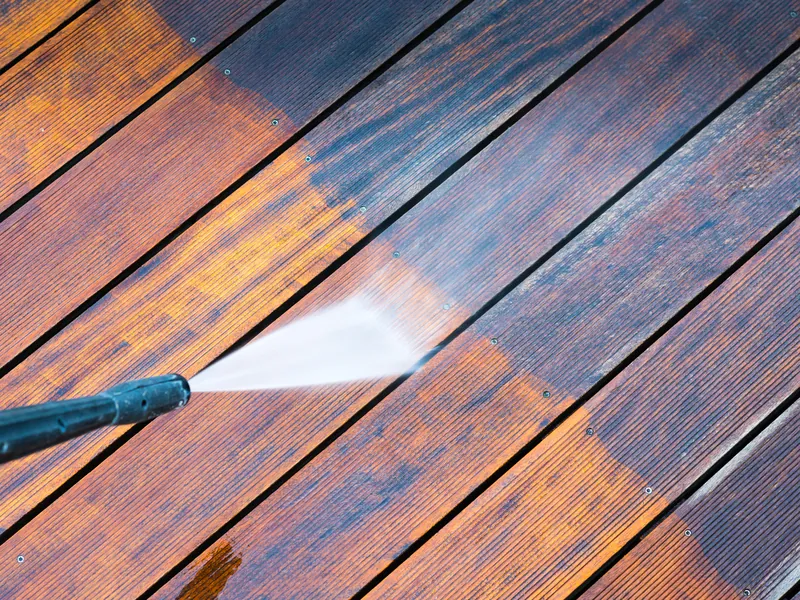
Timber deck being cleaned with a pressure washer
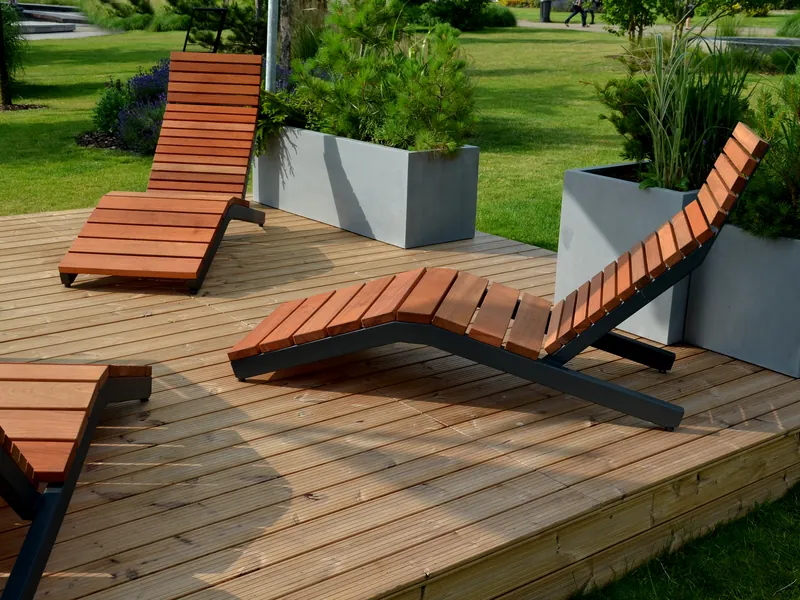
Timber deck with wooden loungers and planters
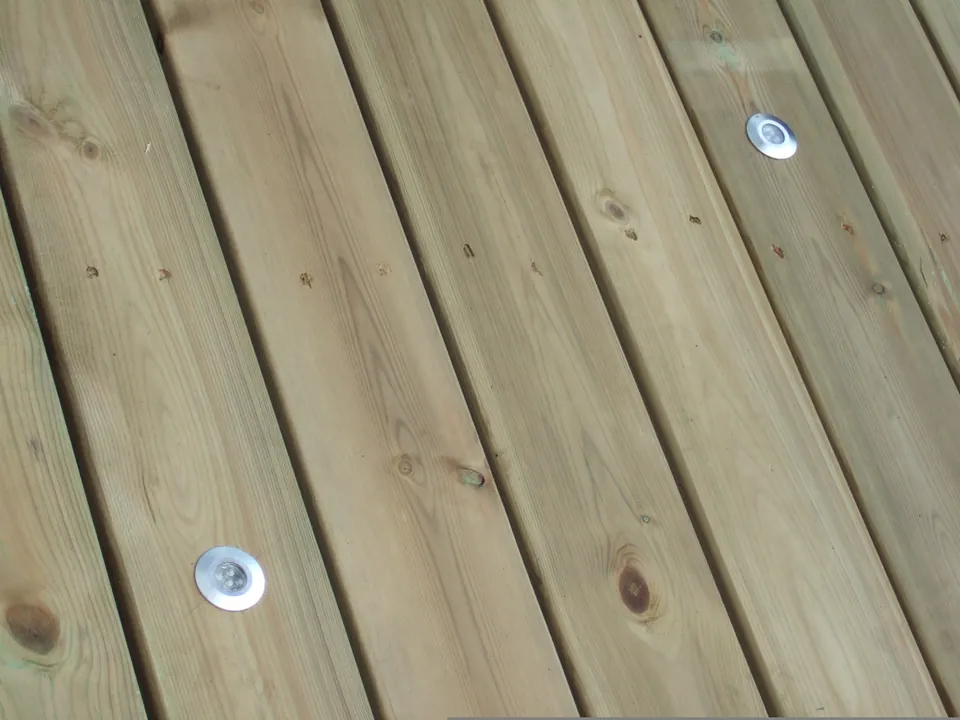
Pine decking boards with small deck lights
Wooden Decking: What's Included

What Your Deck Includes

Most of a deck's strength sits out of sight in the frame. A typical decking job covers the following, working from the ground up to the last board.

  • Clearing and levelling the area under the deck
  • A weed membrane to stop growth beneath the boards
  • Posts or footings set firm for the frame
  • A treated timber frame built level and square
  • Hardwood, softwood or composite boards fitted
  • Fascia boards to neaten the exposed edges
  • Balustrades or handrails on raised sections
Why Choose Us for Wooden Decking

Why Choose Us for Decking

The right deck depends on the plot, the timber and how you plan to use it. This business helps you settle all three before a single board is cut.
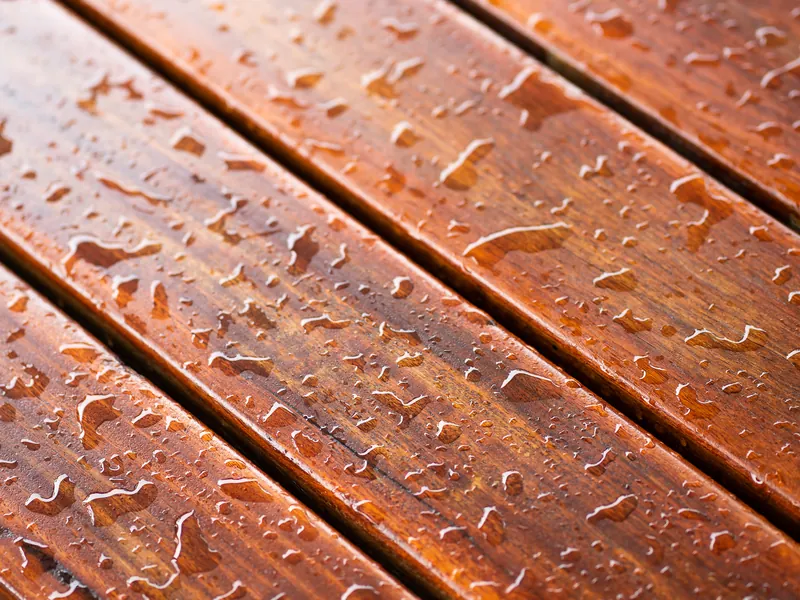
Water beading on treated hardwood deck boards

Deck Layout Ideas, Free

At the free survey you get ideas for the deck's shape, size and board direction, plus how it links to the house and lawn.

Timber Chosen with You

Hardwood, softwood and composite each suit a different budget and level of upkeep, and you compare them before deciding.

Level on Any Slope

A raised frame lets the deck sit level where the garden drops away, giving usable space on ground that was hard to use.

Show Us the Spot

Send photos of the area on WhatsApp to 07828 555139 and you get a first view of the size and type of deck it could take.

Ready to Get Started?

Ring Herts Paving & Landscaping, or leave your details for a quote.

Swipe to See More

Thinking About a New Deck?

Ring now, or leave a few details and a quote will follow.

Wooden Decking: How It Works

Building Your Deck

Decks are built from the ground upwards, and the work usually falls into four general stages.

1

Survey the Plot

The free survey measures the area, checks how far the ground falls and notes the height of door thresholds and air bricks the deck must sit below.

2

Choose the Boards

You choose timber type, colour and layout, and receive a quote setting out the frame, boards and any balustrades or fascia included.

3

Frame & Board

The ground is cleared and covered with membrane, the footings and frame go in level, then boards and fascias are fixed to the agreed pattern.

4

Look It Over Together

The deck is checked for level, firm fixings and smooth edges. We review the completed work with you and confirm everything has been done as agreed.

Swipe to See More

Wooden Decking FAQs

Timber Decking FAQs

Hardwood or Softwood Decking: Which Is Better?

Neither is better for every garden. Softwood is the more affordable choice and is usually pressure treated against rot, so it suits most family decks. Hardwood is denser, heavier and naturally more durable, with a richer grain, but costs more. The right pick depends on budget, look and upkeep.

How Is Composite Decking Different From Timber?

Composite boards combine wood fibre with plastic, often recycled, so they do not rot, splinter or need staining. They cost more to buy than softwood and can feel warmer underfoot in strong sun, but they suit anyone who wants a deck that only needs an occasional wash.

Does Decking Need Planning Permission?

Most garden decks are permitted development as long as the platform is no more than 30 centimetres above the ground and, together with other extensions and outbuildings, covers no more than half the garden. Higher decks, balconies and homes in conservation areas or listed buildings need checking with the council.

How Do I Stop My Deck Becoming Slippery?

Algae grows on timber that stays damp and shaded, so regular sweeping and an annual scrub with a deck cleaner make the biggest difference. Grooved boards help shed water, and anti-slip strips or inserts can be added on busy routes across the deck. A sunny, airy position also helps the boards dry faster.

Can Decking Be Laid Over Concrete?

Often, yes. If the concrete is sound and drains, a low frame of bearers can sit on top of it, raising the boards enough for air and water to pass underneath. Where the slab is cracked or holds water, it may be better to break it out first. The survey shows which applies.

How Often Does a Timber Deck Need Treating?

Softwood decks usually benefit from a fresh coat of stain or oil every year or two, depending on how exposed the deck is to sun and rain. Hardwoods can be oiled to keep their colour or left to weather to a silver grey. Composite needs no treatment, just washing.
Contact

Can't Find the Answer You're Looking For?

Get in touch with us today.

01438 487210Get a FREE Quote