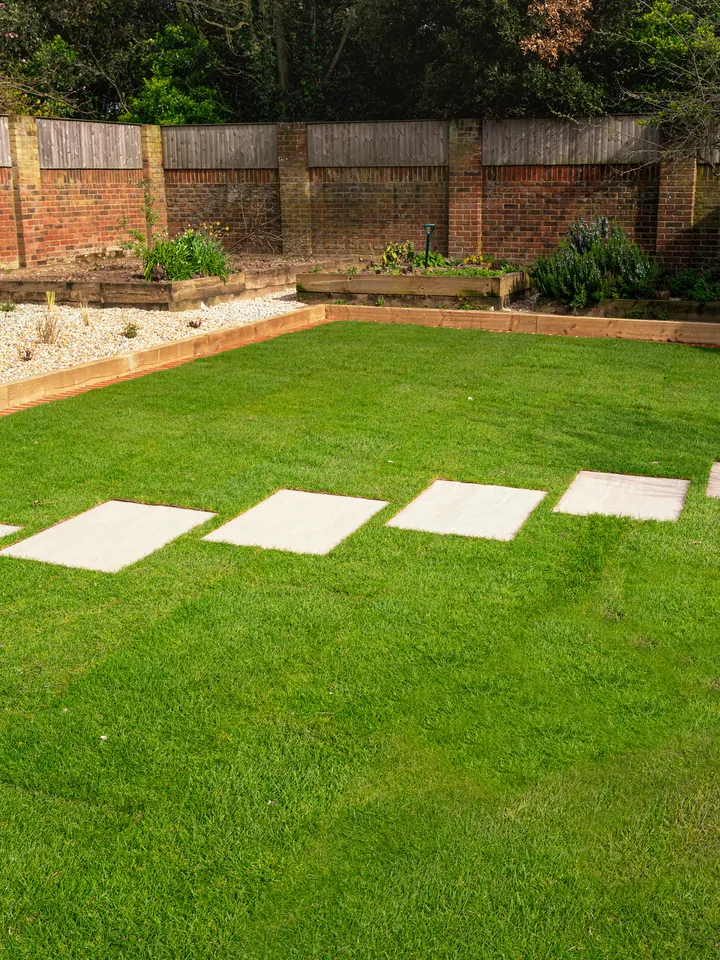
Stepping stone path across a lawn in a walled garden
Paving & Landscaping Contractor

Paths & Steps in Stevenage

Firm, even routes around the garden and safe changes of level, laid in stone that matches your patio, with free design ideas on where each one should go.

Get a FREE Quote

Fill in the form and we'll get back to you shortly.

Step 1 of 2

Garden Access Paving

Paths & Steps for Your Home

Paths and steps are the parts of an outside space you use every day without thinking: the route to the front door, the side return to the bins, the way down from the patio to the lawn. When they are uneven or too narrow, everyone in the house notices.

Herts Paving & Landscaping lays paths and builds steps for homes in Stevenage, Letchworth Garden City, Ware, St Albans and nearby towns. The work is set out to suit the ground, with consistent step heights and a firm edge so nothing shifts or catches a foot.

Paths can match the patio for a joined-up look or use a contrasting stone, setts or gravel held by edging. Steps can be built from solid stone, slabs on a block core or timber sleepers, depending on the height you need to climb and the style of the house.
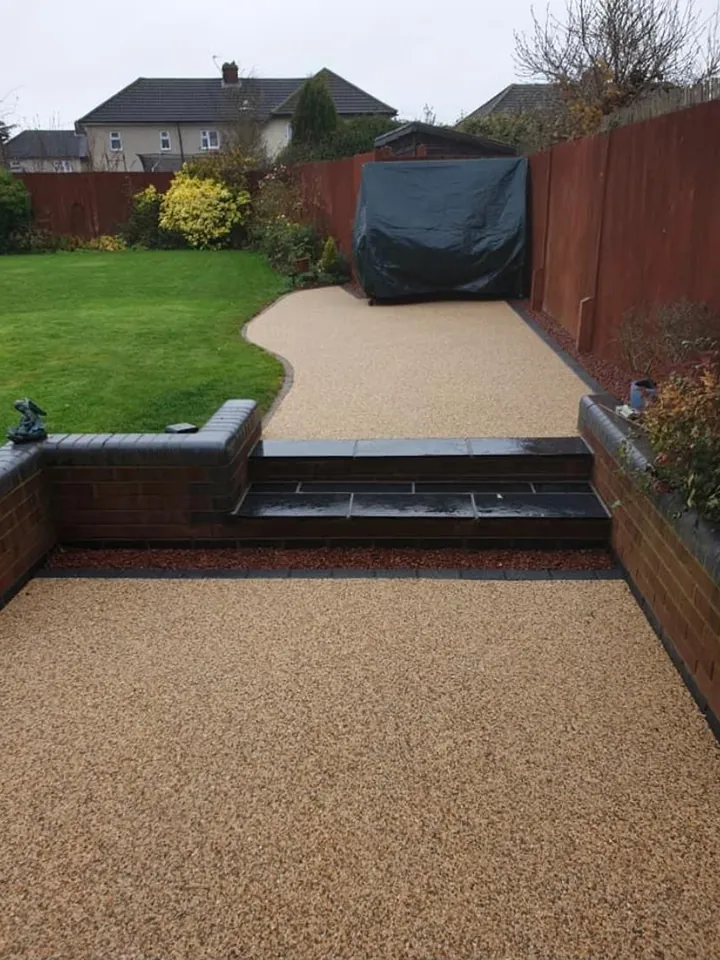
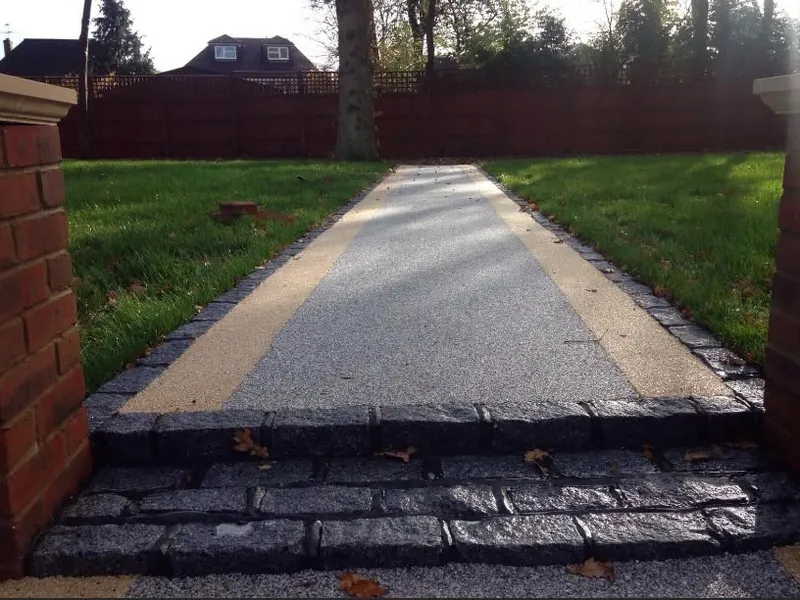
Resin bound garden path and patio with brick steps
Resin bound path with charcoal sett steps between lawns
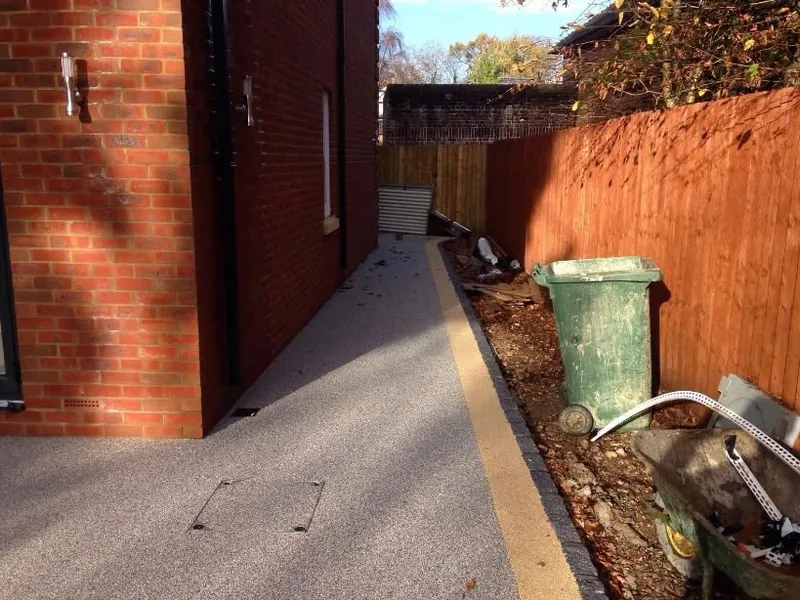
Resin bound side path along a brick house and timber fence
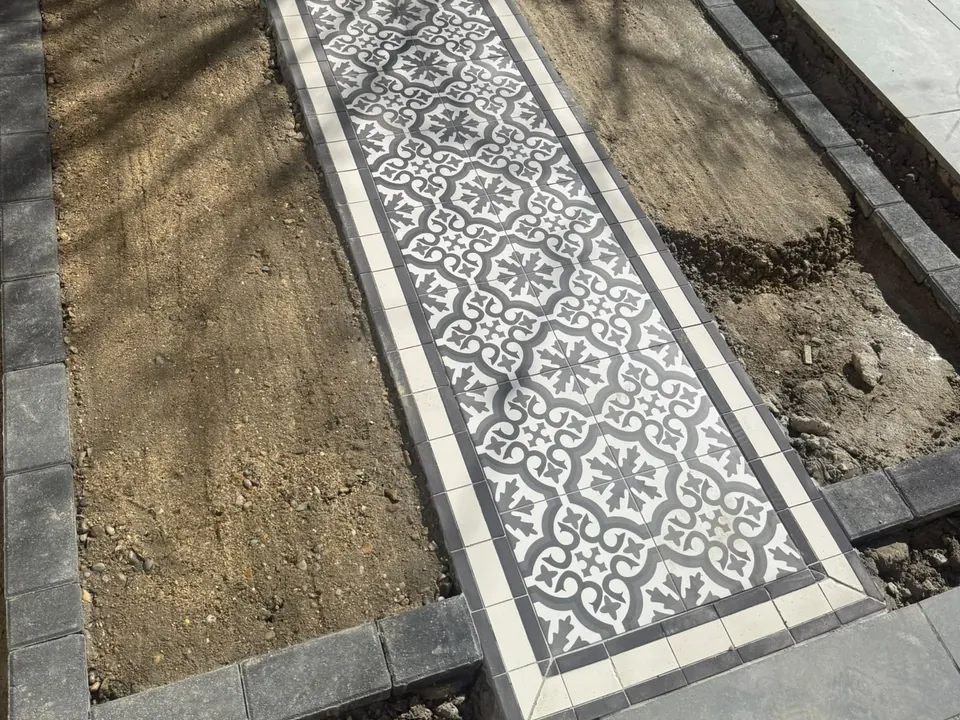
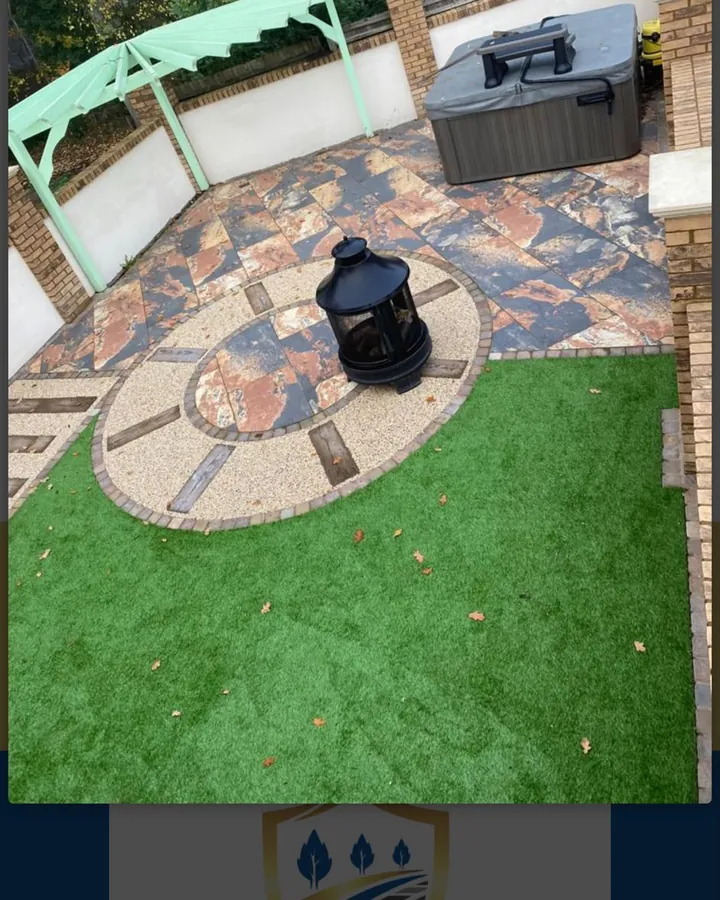
Patterned tile path with a grey border
Paths & Steps: What's Included

Path & Step Work Included

Paths and steps take load at their edges and on every tread, so the build matters. A typical job includes most of the following, depending on the route and the levels involved.

  • Setting out the route, width and any curves on site
  • Excavating and laying a compacted sub-base along the line
  • Edge restraints that stop path stones creeping sideways
  • Step risers built to even, comfortable heights
  • Treads with a slight overhang and a fall to shed water
  • Path surfaces in slabs, setts or contained gravel
  • Joining new paths neatly to doors, gates and the patio
  • Clearing spoil and leaving the route ready to use
Why Choose Us for Paths & Steps

Why Choose Us for Paths

A path or step that rocks, holds water or varies in height is a trip waiting to happen. The planning puts safety and comfort first, then turns to how the finished route looks.
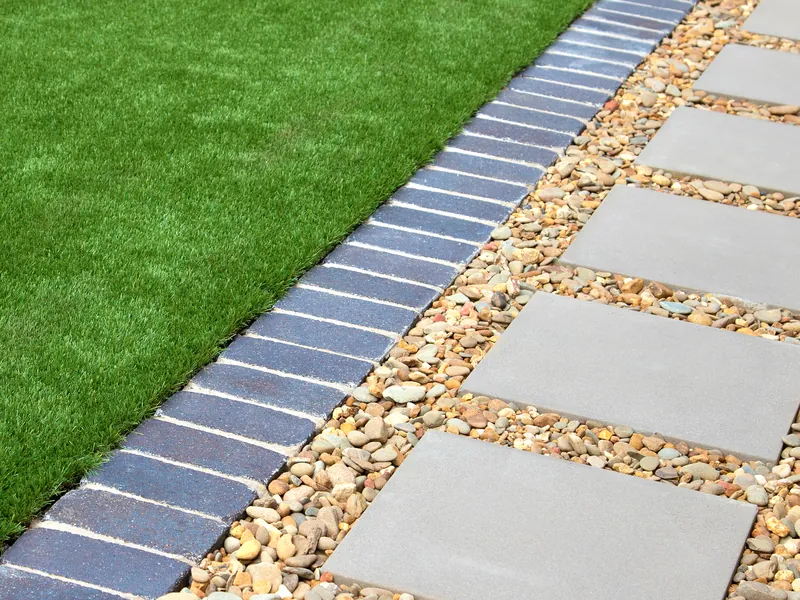
Slab path between a lawn and gravel

Routes Planned Around You

Free design ideas cover where a path should run, how wide it needs to be and where steps sit, so the layout follows how you move around outside.

Free Site Survey

Every change in level is measured on site, so step counts, riser heights and path falls are set before you get a price.

Photos via WhatsApp

Share photos of a worn path or an awkward slope on WhatsApp so the owner can see the route and levels before coming out.

No-Obligation Quote

Your written quote lists each path and flight of steps separately, so you can choose what to do now and what can wait.

Ready to Get Started?

Ring Herts Paving & Landscaping, or leave your details for a quote.

Swipe to See More

More Patio Services

More Patio Paving Services

Paths and steps usually connect to something. See the other patio services that often go with them, from new terraces to walls.
Need New Paths or Steps?

Ring now, or leave a few details and a quote will follow.

Paths & Steps: How It Works

How Paths & Steps Are Built

The order of work below is typical, though a long path or a tall flight of steps may need extra stages.

1

Measure the Levels

Heights, distances and the existing ground are measured so the route and any steps can be planned to a comfortable rise.

2

Agree the Design

Materials, widths and step positions are confirmed in a written quote you can look over at your own pace.

3

Dig, Build & Lay

The line is dug out and given a base, step cores are built, then treads and path stones are laid, edged and pointed.

4

Check & Sign Off

Each tread and joint is checked for level. We review the completed work with you and confirm everything has been done as agreed.

Swipe to See More

Paths & Steps FAQs

Paths & Steps FAQs

What Is a Comfortable Height for Garden Steps?

Outdoor steps feel easiest with a lower rise and a deeper tread than indoor stairs. Many garden steps use risers of around 150 mm and treads of 300 mm or more. The most important point is that every step in a flight is the same height, because an odd one out is what catches people.

How Wide Should a Garden Path Be?

A path used mainly by one person at a time works at around 900 mm wide. If you want two people side by side, or room to wheel bins and a barrow comfortably, 1.2 metres or more is better. Width also depends on the space the path runs through and how it sits in the garden.

Can Steps Be Built Into a Steep Bank?

Yes. Steps cut into a bank need solid foundations and side support so the soil does not spill across the treads. On steeper ground the flight may be split with a landing, or combined with a low retaining wall on each side. The levels are measured first so every step works out the same height.

Will a New Path Match My Patio?

Often it can, using the same stone if it is still available. Older paving may have weathered or faded, so new slabs can look brighter at first and tone down with time. If an exact match is not possible, a deliberate contrast in colour or texture usually looks better than a near miss.

How Do I Stop a Gravel Path Spreading?

Gravel stays put when it has a firm edge on both sides and a compacted base underneath. A stabilising grid laid under the stones stops them shifting and rutting, and makes the path easier to push a wheelbarrow along. A shallow depth of gravel also moves less than a deep, loose layer.

Are Porcelain Steps Slippery?

Outdoor porcelain is made with a textured surface for grip, and choosing a slab with a good slip rating matters most on steps. Nosings with a grooved or contrasting edge make each tread easier to see and safer in the wet. Keeping the steps clear of moss and leaves helps just as much.
Contact

Can't Find the Answer You're Looking For?

Get in touch with us today.

01438 487210Get a FREE Quote