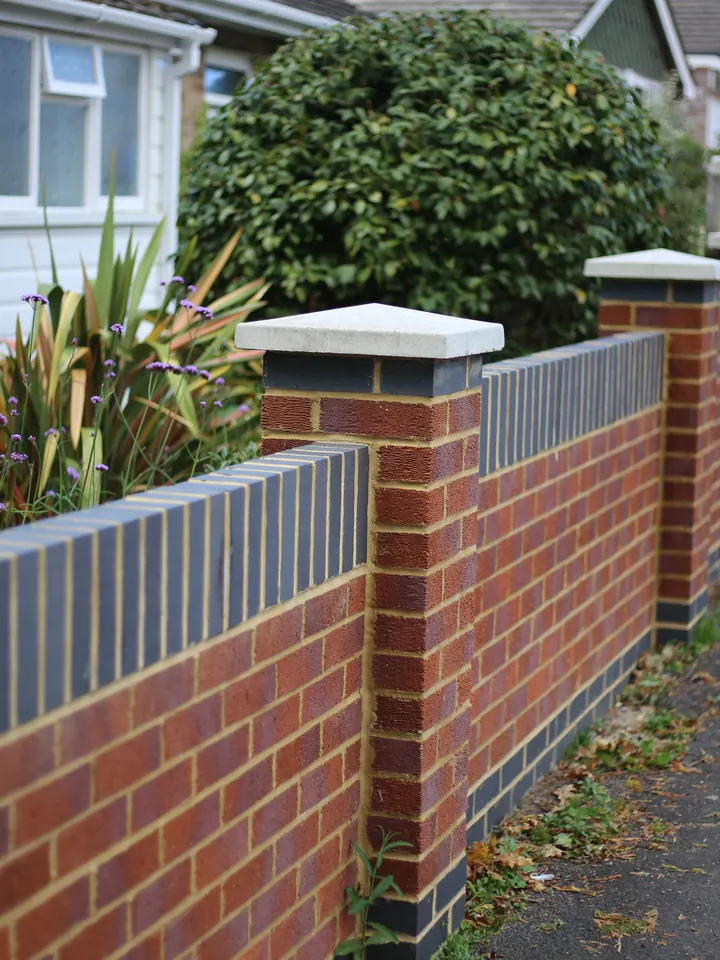
Red brick front garden walls with pillars along a street
Dunstable, Bedfordshire

Brickwork & Walls in Dunstable

Raised beds built in brick at your Dunstable home bring the soil up to a height that spares your back, priced after a free survey with the owner.

Get a FREE Quote

Fill in the form and we'll get back to you shortly.

Step 1 of 2

Dunstable, Bedfordshire

Brick Walls & Raised Beds

Garden brickwork is built for homeowners in Dunstable, Bedfordshire, by an owner-run business based at Hookscross that quotes every wall in person. Bricks are chosen to suit the house, and reclaimed bricks can be used where a new wall needs to blend with an older one.

Gardens in Dunstable and in Houghton Regis, Luton and Leighton Buzzard can mix brick with planting, using raised beds and low walls to frame borders and give the layout clear edges.
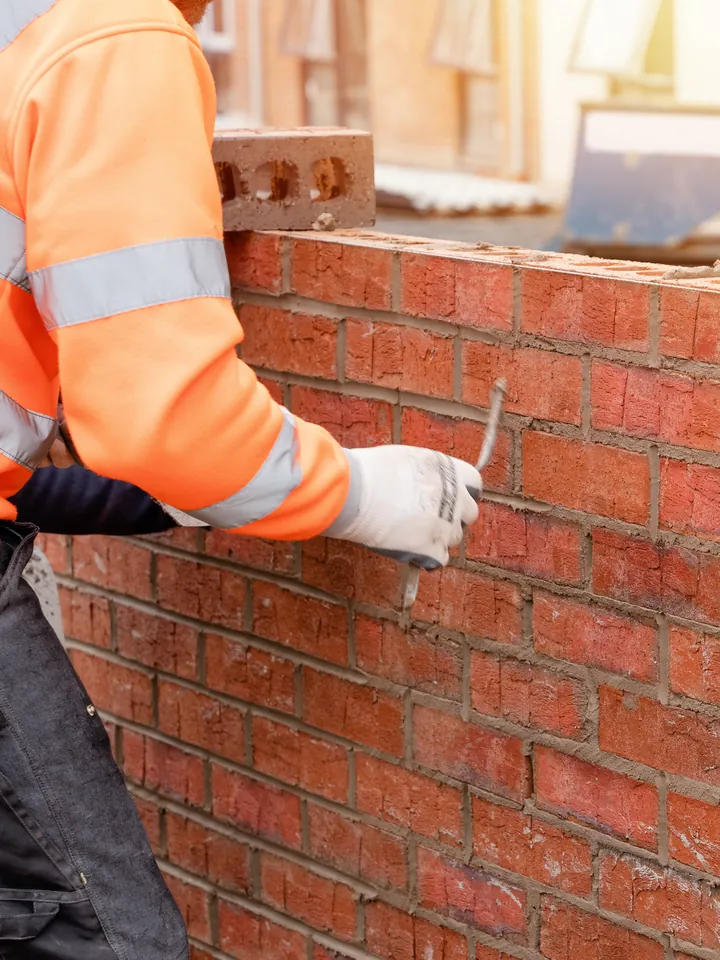
Bricklayer pointing a new red brick wall
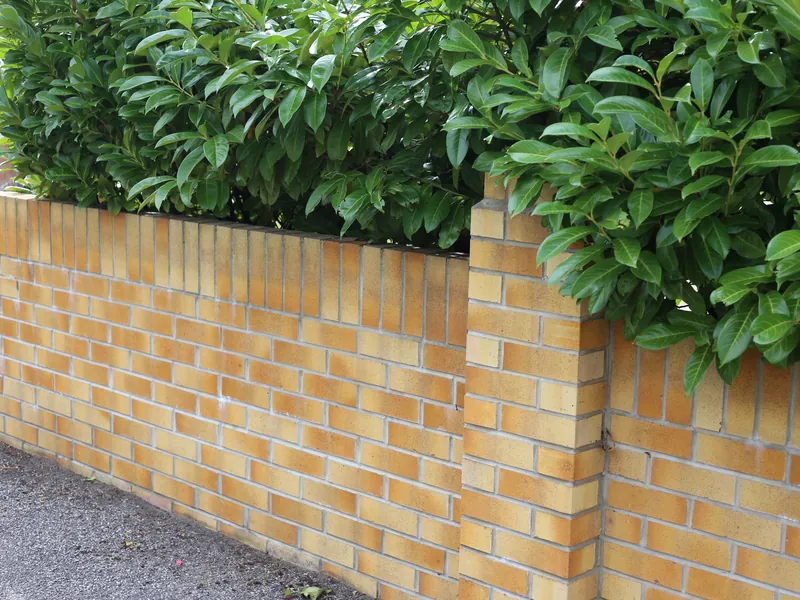
Buff brick garden wall with a laurel hedge behind
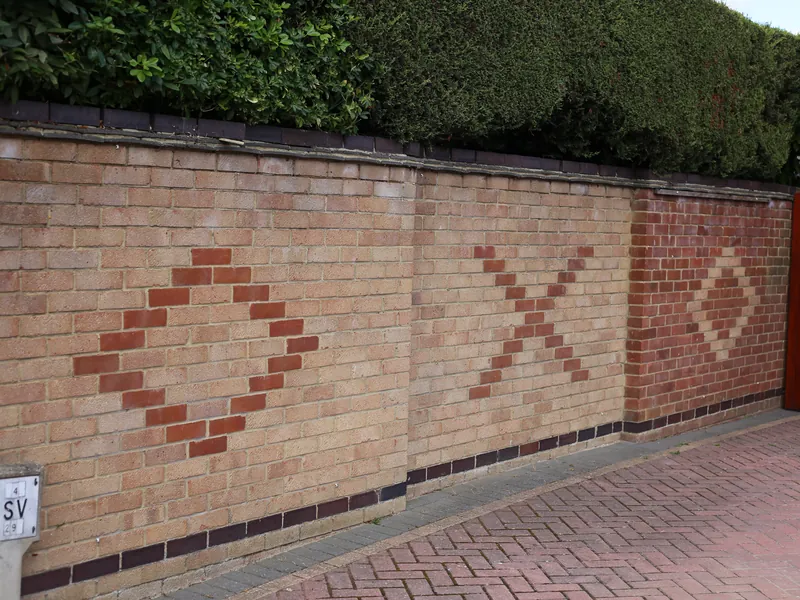
Brick boundary wall with a diamond and cross pattern beside a driveway
Why Choose Us for Brickwork & Walls

Brickwork Matched to Home

Matching new brick to your house in Dunstable takes patience with brick choice and mortar colour, and that care is part of every wall, bed and pillar quoted.
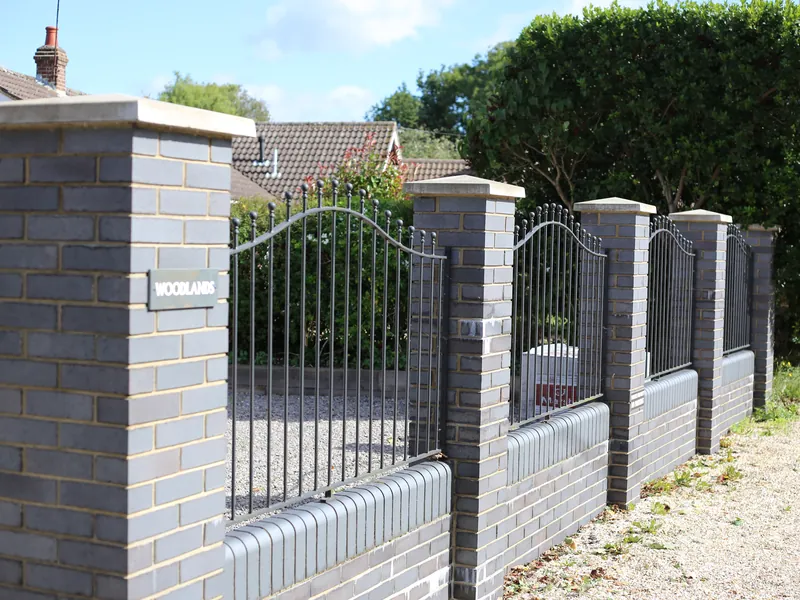
Blue brick pillars with metal railings and a gate

Wall Ideas Before You Commit

Your free survey includes ideas on wall height, brick colour and bond, plus coping styles, so you can picture the finished wall in its setting.

Brick to Match Yours

Brick colour and texture are chosen against your house and any existing walls, so new work sits comfortably beside the old.

Solid From the Footing

Each wall starts on a concrete foundation sized for its height, which helps keep it straight and free from cracking later.

A Clear Price First

You get a no-obligation quote after the free survey, setting out brick type, wall size and finishing details before work.

Ready to Get Started?

Ring Herts Paving & Landscaping, or leave your details for a quote.

Swipe to See More

Brickwork & Walls

Example Photos

Swipe to See More

Planning a New Garden Wall?

Ring now, or leave a few details and a quote will follow.

Brickwork & Walls: How It Works

Building Your Garden Wall

Brick structures in the garden are built in a set order, and most jobs move through these four broad stages.

1

Survey & Match

The free survey measures the area, checks ground conditions and looks at your house and existing walls to guide brick choice, height and bond.

2

Confirm the Details

You agree the brick, coping and joint finish, and receive a quote covering the foundation, the build and removal of any old walling.

3

Foundation & Courses

A trench is dug and a concrete foundation laid, then the brickwork rises course by course, kept level and plumb, with copings fitted on top.

4

Pointing & Review

Joints are finished and the work area cleaned of mortar. We review the completed work with you and confirm everything has been done as agreed.

Swipe to See More

Brickwork & Walls FAQs

Brickwork & Walls FAQs in Dunstable

Do You Build Garden Walls in Dunstable?

Yes. Dunstable is part of the area covered from Hookscross, together with Houghton Regis, Luton and Leighton Buzzard. Garden and boundary walls, raised beds, gate pillars and brick edging can all be quoted, and each job starts with a free survey at your home.

Can Old Garden Walls in Dunstable Be Taken Down & Rebuilt?

Yes. A leaning or crumbling garden wall at a Dunstable home can be taken down, the waste cleared and a new wall built on a fresh concrete footing. Sound bricks from the old wall can sometimes be cleaned and reused, which helps the new work blend in with the rest of the garden.

Is Permission Needed for a Front Garden Wall?

A wall up to one metre high next to a road, or two metres elsewhere, is usually permitted development in England. Taller walls, those on listed properties and walls in conservation areas may need consent. A front wall can also affect visibility for drivers, so sight lines are worth considering.

What Is a Brick Bond?

A bond is the pattern in which bricks are laid so that the joints overlap and spread the load. Stretcher bond, with each brick offset by half, is the most common in gardens. English and Flemish bonds mix long and short faces and suit thicker walls and period homes.

How High Should a Raised Bed Be?

For most planting a raised bed of around 45 to 60 centimetres works well, deep enough for roots and low enough to reach across comfortably. Taller beds, up to waist height, save bending for anyone with back or knee trouble. Width matters too: you should reach the centre from one side.

Why Do Garden Walls Need a Coping?

A coping is the row of stones or bricks along the top of a wall. It stops rain soaking down into the brickwork, where frost can then crack the bricks and loosen the mortar. Copings that overhang slightly and have a drip edge shed water away from the face below.
Contact

Can't Find the Answer You're Looking For?

Get in touch with us today.

More in Dunstable

More Garden Services

01582 639591Get a FREE Quote